Column-When Energy Storage Is No Longer Just Equipment: How Behind-the-Meter Storage Is Becoming a Key to Better Energy Management
Billion Electric • April 7, 2026
Billion Group Editorial Office, Updated: 2026/04/07 PM14:45
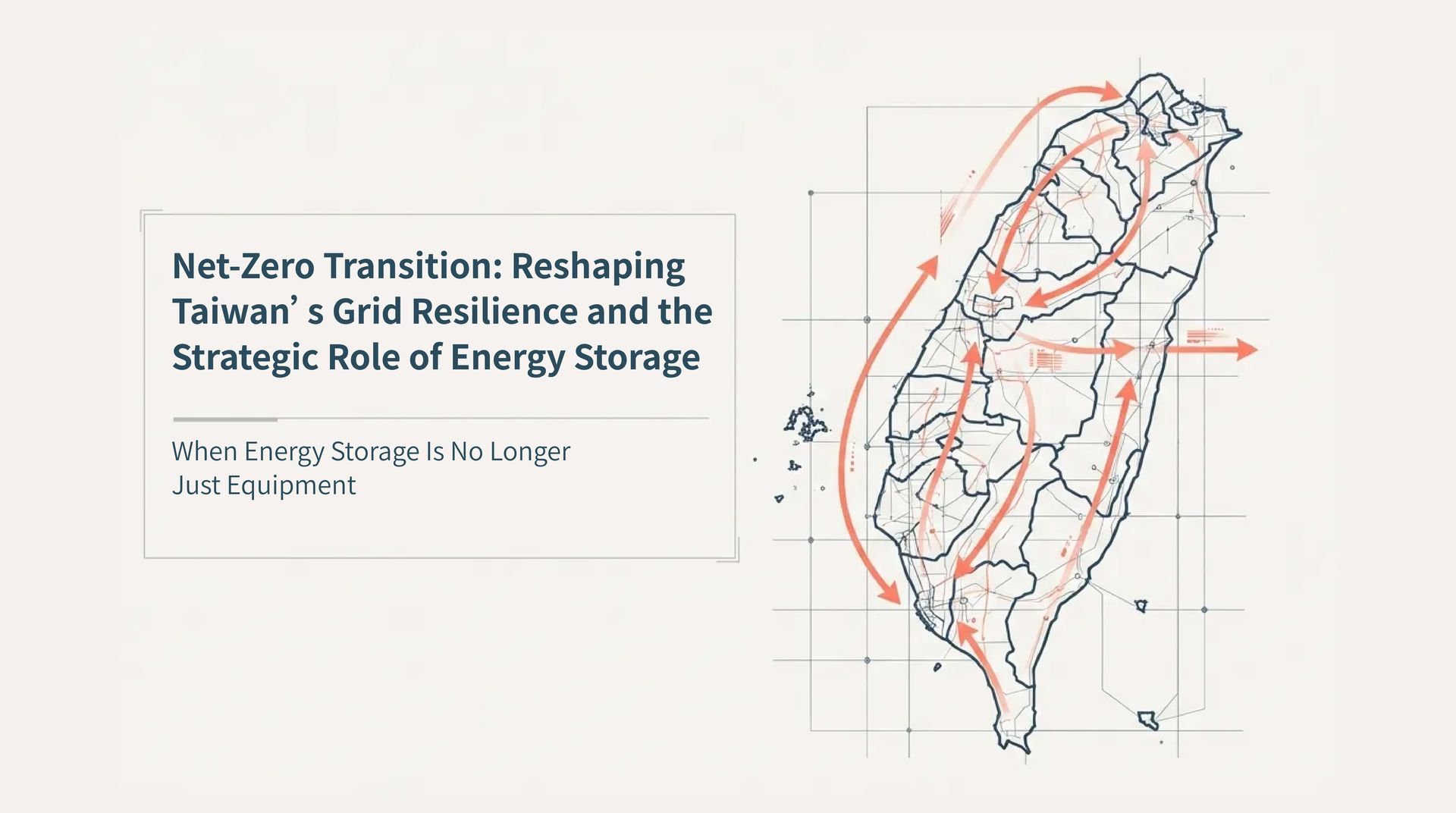
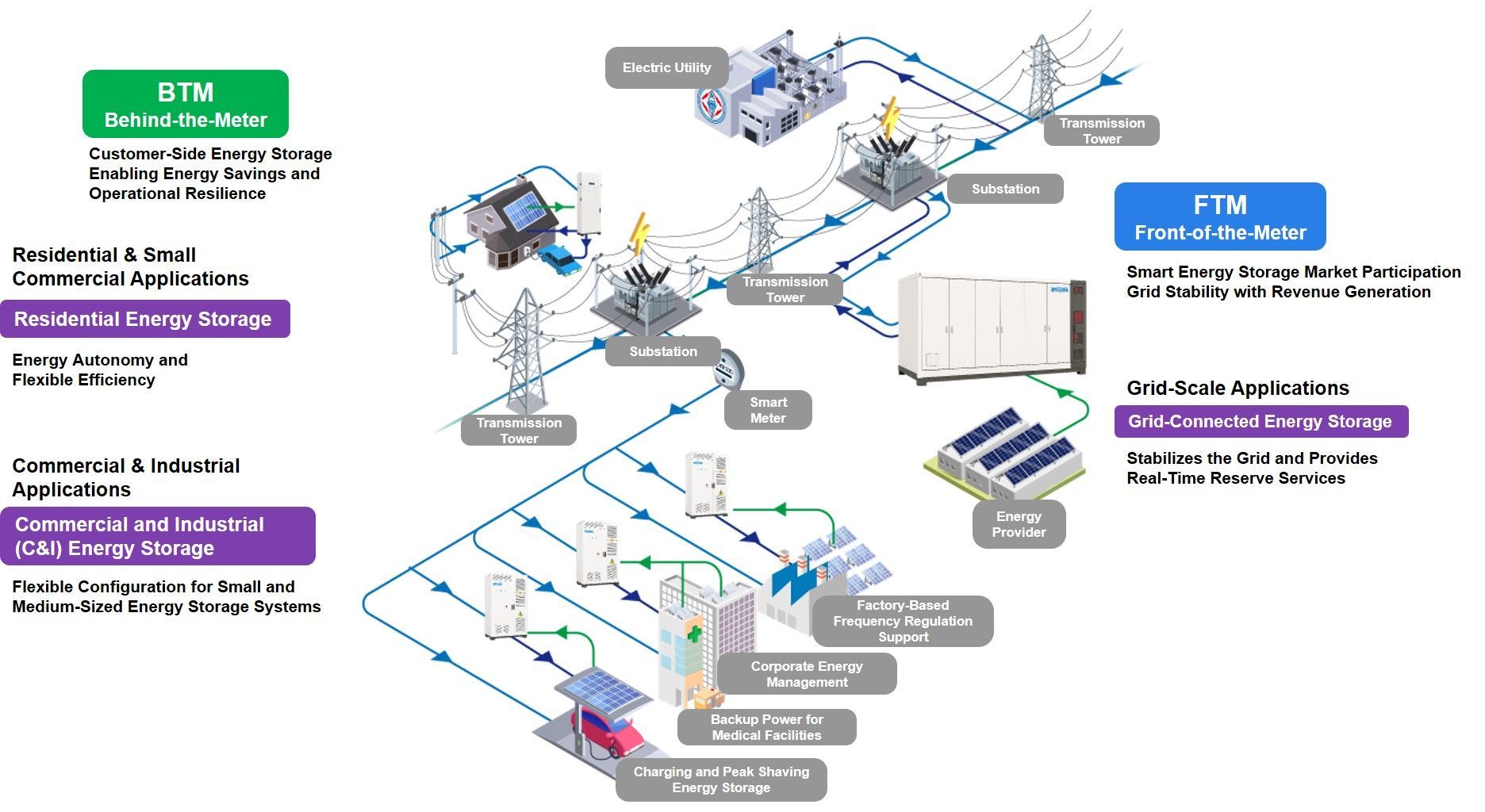
Behind-the-meter (BTM) energy storage is no longer just a backup system. It is becoming an important solution for businesses facing rising electricity costs, contract capacity optimization, demand response needs, renewable energy integration, and power resilience challenges. From commercial and industrial applications to solar-plus-storage charging and microgrids, this column guides you to understand the market trends and core values of BTM energy storage in Taiwan.
Grid Resilience and the Strategic Role of Energy Storage on the Path to Net Zero
As climate change intensifies and the global energy transition moves faster, Taiwan is entering a critical stage in reshaping its power system. To address the risks of extreme weather while also meeting carbon reduction and net-zero goals, the government has included “power systems and energy storage” as one of the twelve key strategies in its 2050 net-zero roadmap.
In the years ahead, renewable energy will make up a much larger share of Taiwan’s electricity mix. Under this trend, the traditional power grid model—built around large centralized power plants delivering electricity in one direction to end users—will gradually need to evolve. It must become a smarter and more flexible grid that can respond quickly, support two-way power flows, and better handle the changing needs of a low-carbon energy system.
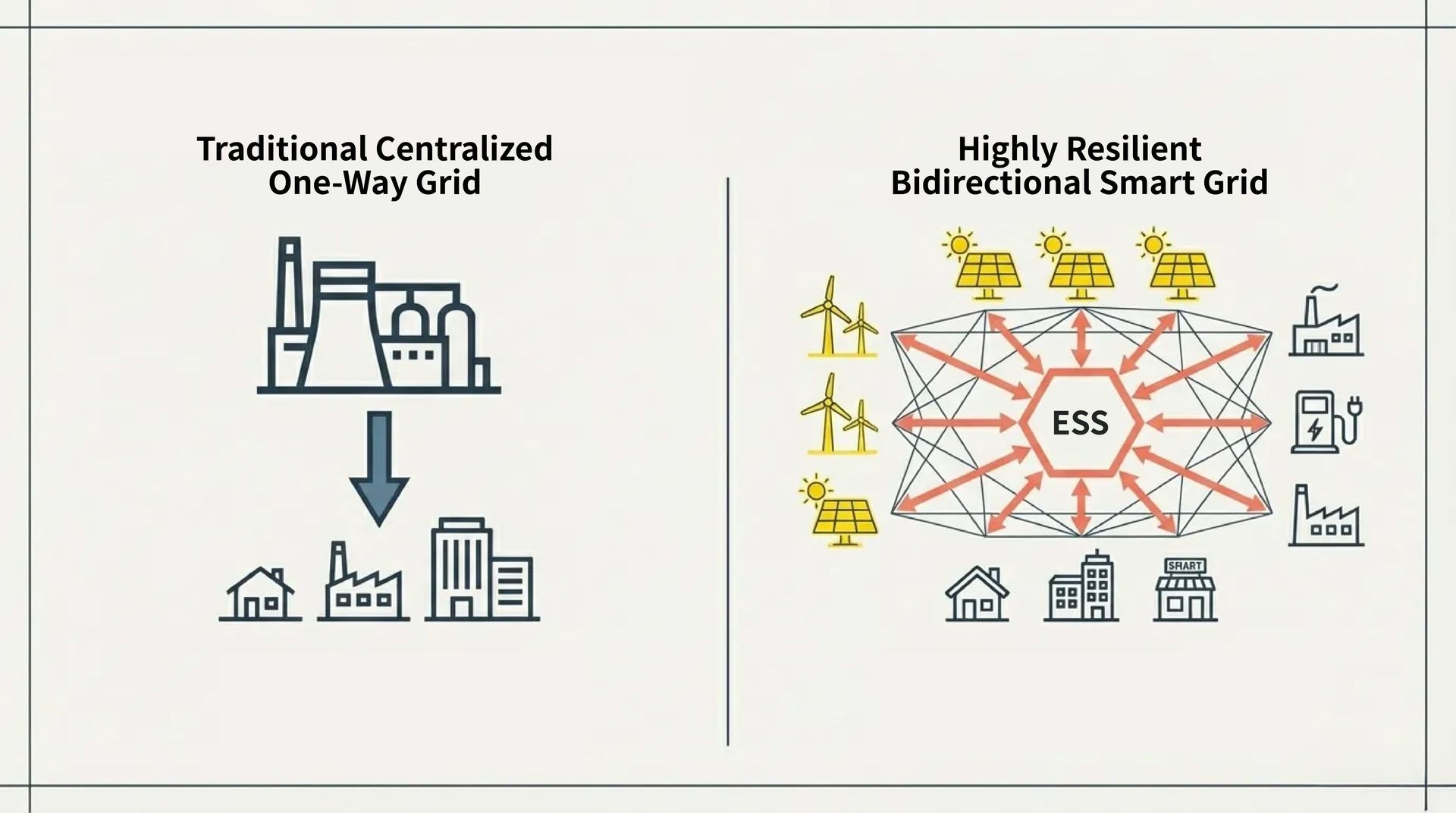
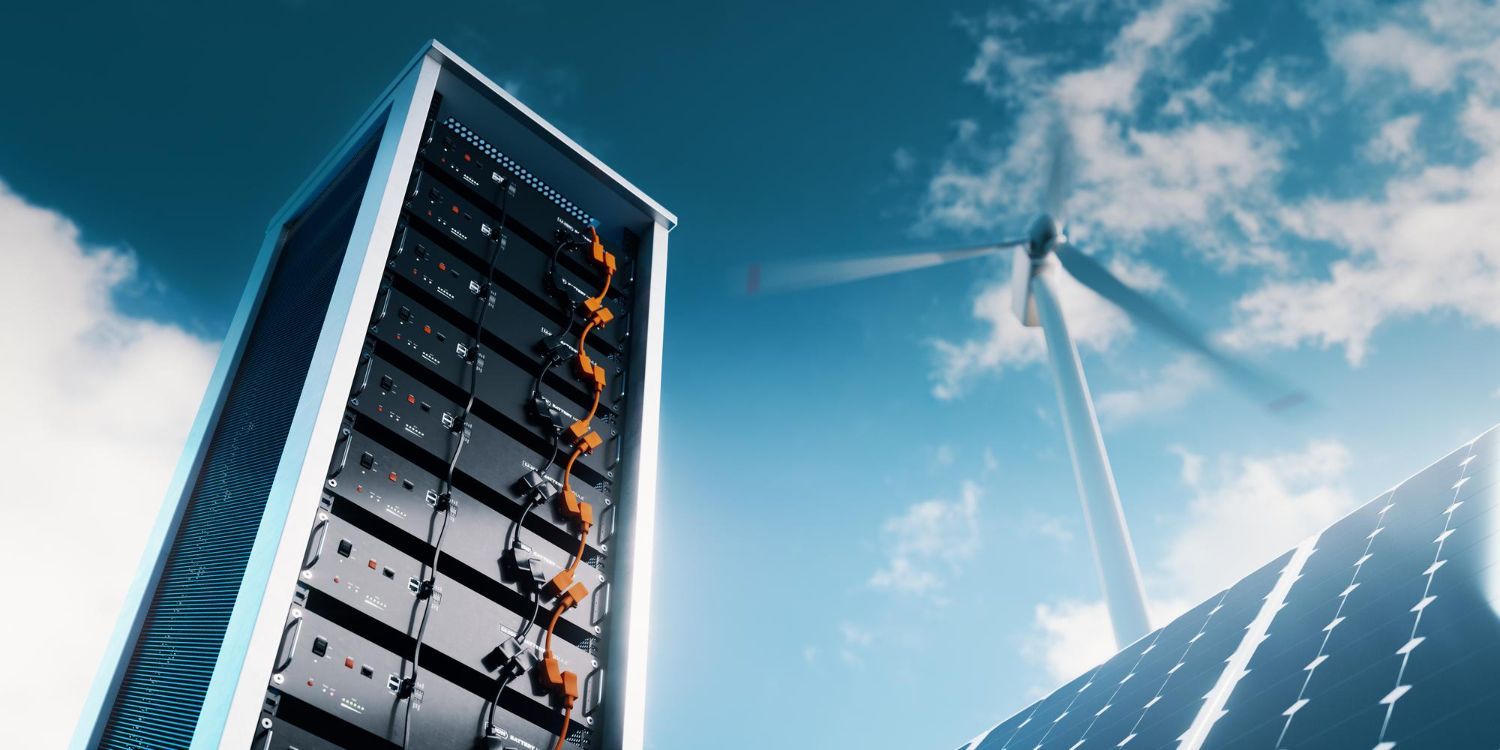
In this transition, the importance of Energy Storage Systems (ESS) is rising rapidly. Solar and wind power are both essential to the path toward net zero, but they are naturally intermittent and variable. Their power generation also does not always match actual electricity demand. This is where energy storage plays a critical role. It helps balance this gap by acting as a flexible regulator within the power system.
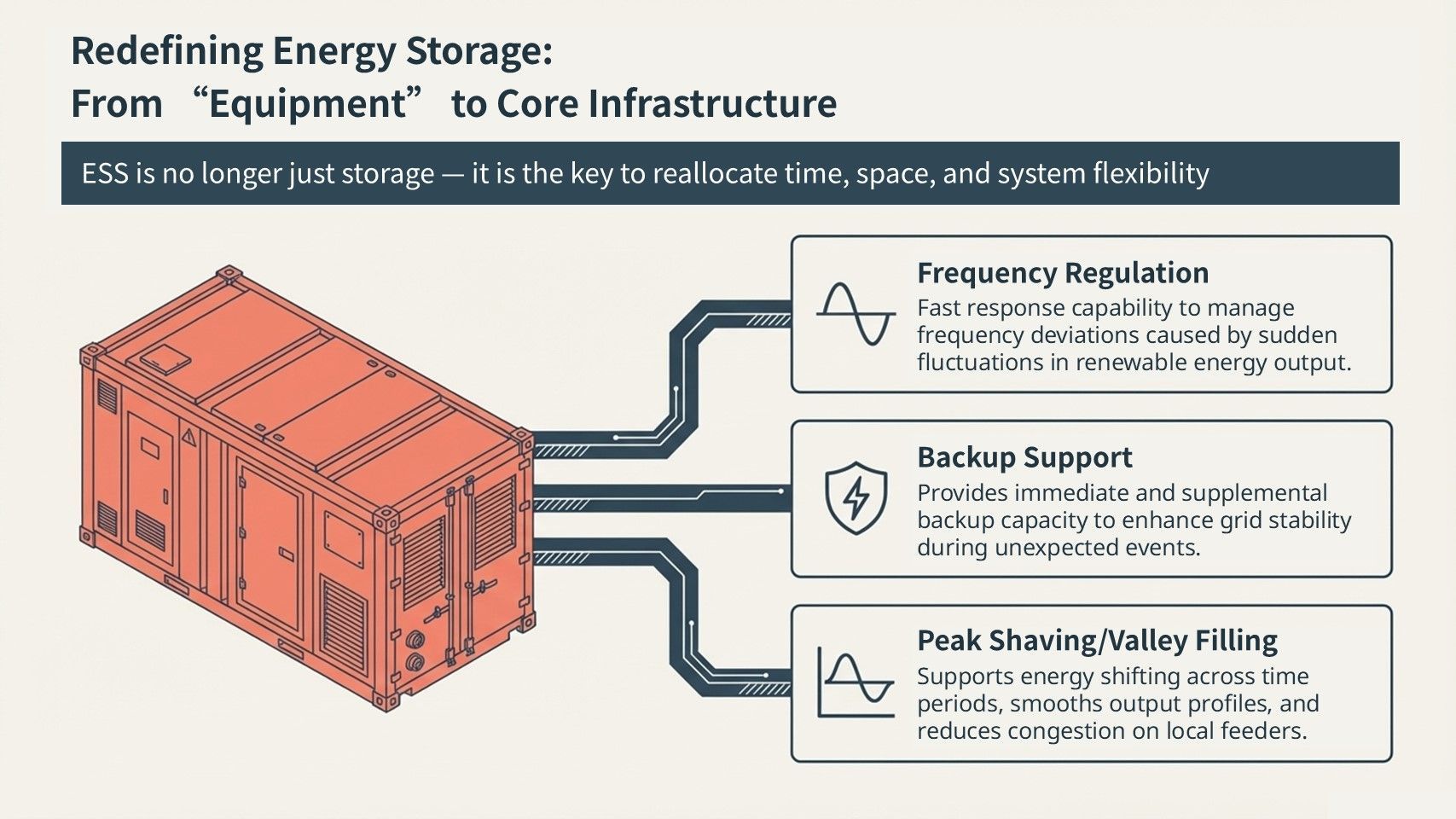
Energy storage can provide frequency regulation, backup support, and fast response capabilities. It can also shift electricity to achieve peak shaving, helping reduce peak demand and make better use of available power. In this way, energy storage improves both power supply flexibility and overall grid resilience.
As Taiwan Power Company’s electricity trading platform continues to evolve, energy storage, demand response, and self-generation equipment are gradually being integrated into virtual power plant (VPP) and ancillary service mechanisms. These resources are becoming increasingly important for maintaining grid stability. Energy storage is no longer just a supporting add-on for renewable energy. It is now a key part of the infrastructure needed to support a power system with a high share of renewables.
Beyond providing fast frequency regulation and system support to help manage the impact of renewable energy fluctuations, energy storage can also enable energy shifting across time periods to realize peak shaving, while further strengthening grid resilience and supply flexibility.
Taiwan’s Dual-Track Energy Storage Strategy
Taiwan has identified “power systems and energy storage” as one of the twelve key strategies in its 2050 net-zero roadmap. Under its long-term energy planning for 2050, renewable energy is expected to account for 60% to 70% of total electricity generation. In this context, energy storage has been positioned as a critical enabler for integrating large amounts of renewable energy, while also improving grid resilience and supply flexibility.
According to the National Development Council’s strategy for power systems and energy storage, Taiwan’s policy framework for energy storage follows two main tracks: the grid side and the generation side. The grid-side track focuses on services such as frequency regulation, spinning reserves, and other ancillary services to strengthen the real-time stability of the power system. The generation-side track is more closely linked to large-scale renewable energy projects, using energy shifting and output smoothing to reduce the impact of renewable power fluctuations on the grid.
Grid-side energy storage mainly supports frequency regulation and other fast-response grid services. Its role is to help manage frequency deviations caused by sudden changes in renewable power output. Taiwan’s policy target for grid-side storage is 1,000 MW by 2025, increasing to 3,000 MW by 2030.
Generation-side energy storage is mainly applied in large renewable energy projects, especially in areas with concentrated solar development. Its main functions are energy shifting, output smoothing, and easing local feeder congestion. The target for generation-side storage is 500 MW by 2025, rising to 2,500 MW by 2030.
Overall, Taiwan’s total energy storage deployment target is 1,500 MW by 2025 and 5,500 MW by 2030. This dual-track strategy reflects different priorities over time. In the short term, the focus is on expanding grid-side storage to improve the fast-response capability of Taiwan’s standalone power system and reduce the impact of sudden events or renewable power fluctuations on grid frequency. Over the medium to long term, the expansion of generation-side storage will become increasingly important as solar capacity grows and the net load ramp becomes more pronounced—commonly known as the “duck curve.”
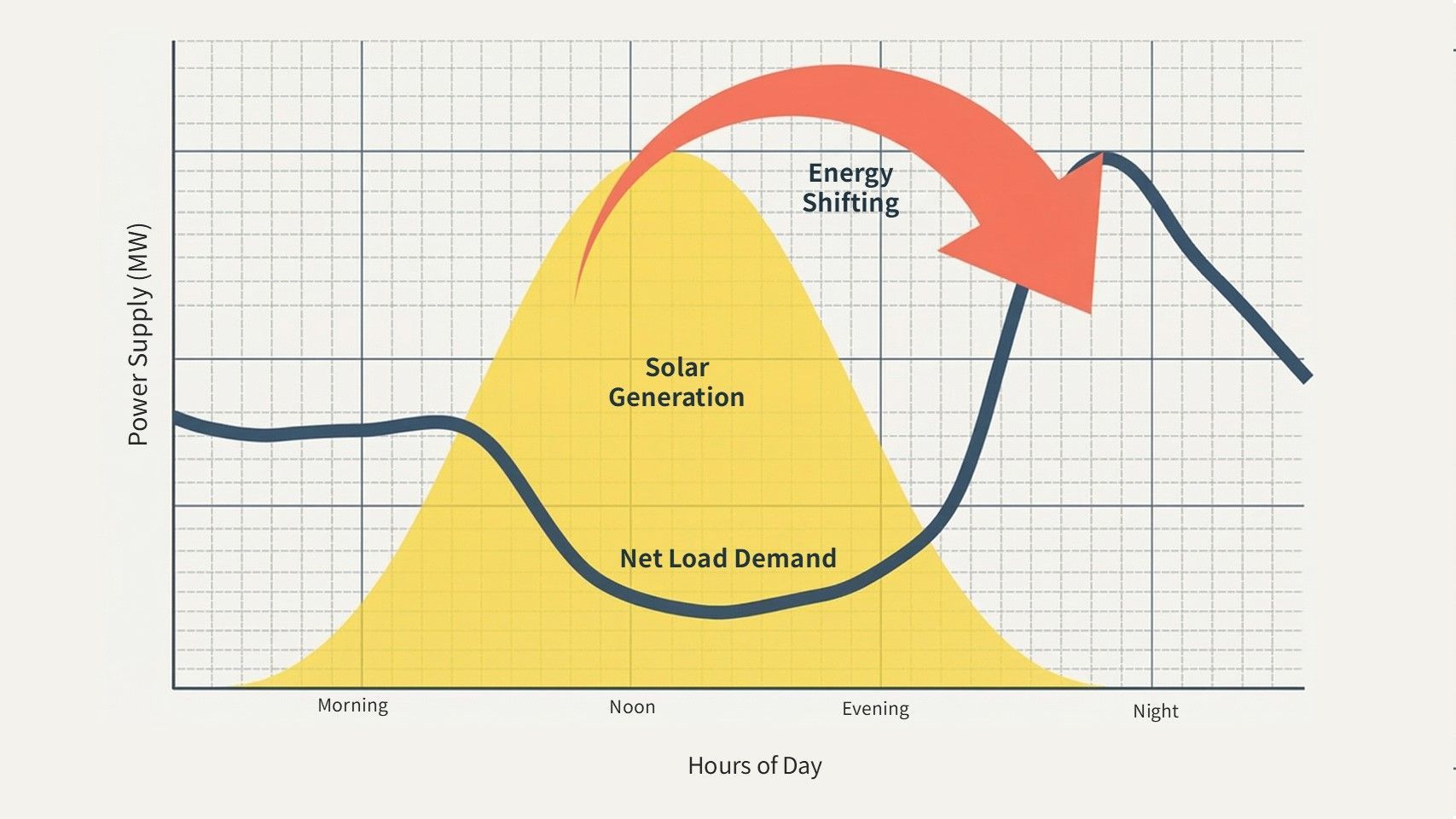
Especially in the evening, when solar output drops quickly while electricity demand remains high, the power system can face a clear supply-demand gap. Generation-side energy storage can help by shifting excess green electricity produced at midday to the evening, when it is needed most. This not only improves the use of renewable energy, but also helps ease transmission and distribution congestion and reduce pressure during peak demand periods. From this perspective, energy storage is no longer just about storing electricity. It has become a key tool for managing time, space, and system flexibility.
At the same time, the strategic role of the energy storage industry is no longer defined only by equipment capacity. It is now increasingly linked with market mechanisms, safety governance, and regulatory requirements. As Taipower’s electricity trading platform becomes fully operational, energy storage, demand response, and self-generation resources are being incorporated into mechanisms such as frequency regulation reserve, E-dReg, spinning reserve, and supplemental reserve, allowing them to participate in system dispatch together. Meanwhile, energy storage systems are also subject to stricter fire and safety requirements, including fire risk assessments, automatic alarm and suppression systems, and safety distance regulations.
As a result, the next stage of Taiwan’s energy storage industry can no longer be understood only from the perspective of equipment manufacturing or project deployment. It must be viewed through the combined framework of grid resilience, electricity markets, and safety compliance. This also means that the true value of energy storage goes beyond compensating for renewable energy fluctuations. It is becoming a core infrastructure element that supports Taiwan’s transition toward a more resilient and lower-carbon power system.
References:
[1] National Development Council,“Twelve Key Strategies”,
https://www.ndc.gov.tw/Content_List.aspx?n=6BA5CC3D71A1BF6F
[2] National Development Council, “Overview of Taiwan’s 2050 Net-Zero Emissions Pathway and Strategy”, https://ncsd.ndc.gov.tw/Fore/nsdn/about0/2050PathPlanning
[3] National Development Council,“Action Plan for the Key Strategy on Power Systems and Energy Storage (Approved Version)”
https://ncsd.ndc.gov.tw/Fore/nsdn/about0/Work4
[4] Taiwan Power Company, “Electricity Trading Platform”,
https://etp.taipower.com.tw/web/about
[5] National Fire Agency, Ministry of the Interior, “Revised Guidelines for Enhancing Fire Safety Management of Energy Storage Systems”,
https://law.nfa.gov.tw/MOBILE/downloadFile.ashx?FileId=13720&sdMsgId=2697